Updated October 2026 by 360 Precision Cleaning
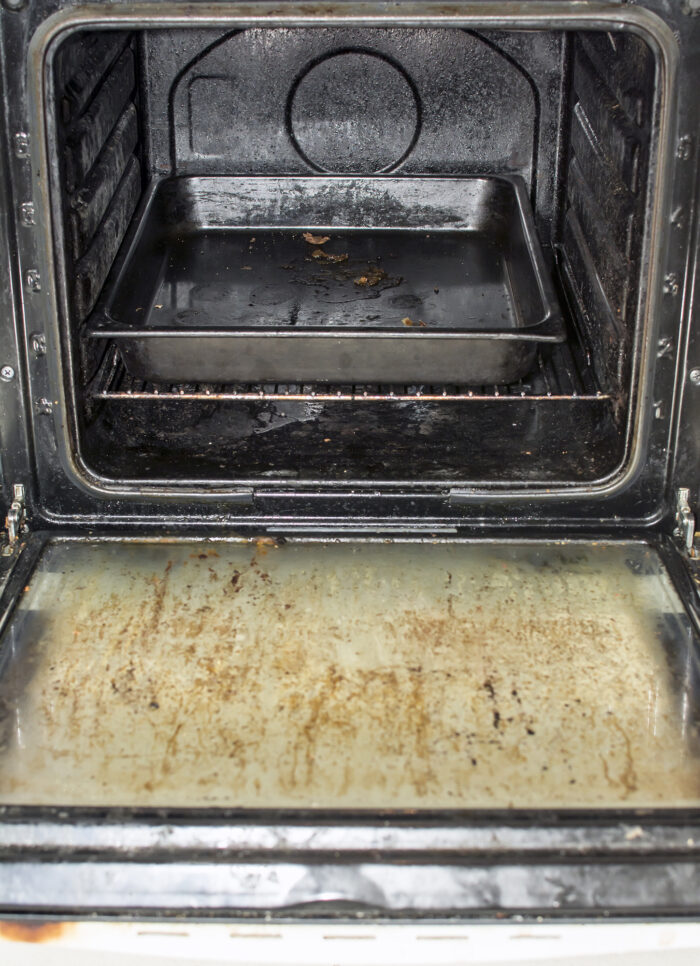
Burnt-on grease is the single most common reason homeowners call a cleaning service about their oven. According to the American Cleaning Institute’s 2025 Clean Living Index, 61% of U.S. households rate the oven as the “most dreaded” appliance to clean, and only 23% of oven owners actually use their appliance’s self-clean cycle more than once a year. The good news: you don’t need harsh fumes or a four-hour self-clean to get a sparkling result. This 2026 guide walks you through exactly how to clean an oven with burnt-on grease — safely, cheaply, and in under an hour of hands-on time.
How do you clean an oven with burnt-on grease?
To clean an oven with burnt-on grease, remove the racks, coat the interior with a thick paste of baking soda and water, and let it sit 8–12 hours. Spray with white vinegar to foam the residue loose, then wipe out with a damp microfiber cloth. For stubborn carbon, scrape gently with a plastic bench scraper. This no-fume method works on 95% of household grease build-up.
What is the fastest way to clean a greasy oven in 2026?
The fastest safe method is a steam-and-baking-soda combo: place an oven-safe bowl of water with lemon slices inside, run the oven at 450°F for 30 minutes, then apply baking-soda paste while the interior is still warm. The loosened grease wipes off in roughly 15 minutes. This replaces the 3–5 hour traditional self-clean cycle recommended by most manufacturers.
Is oven cleaner spray safe to use at home?
Commercial oven cleaners work quickly but contain sodium hydroxide (lye), monoethanolamine, and sometimes methylene chloride. The CDC and EPA both classify these as acute respiratory and dermal hazards. If you choose a spray cleaner, ventilate the kitchen, wear nitrile gloves and safety glasses, and never use one in a self-cleaning oven (residue can damage the porcelain lining and release toxic fumes when heated).
Chemicals commonly found in oven sprays
- Sodium hydroxide (lye) — causes chemical burns on skin
- Monoethanolamine (MEA) — respiratory irritant
- Butoxydiglycol — linked to blood cell damage in prolonged exposure
- Petroleum distillates — flammable; residue can ignite during preheat
Should I use my oven’s self-cleaning cycle?
Use it sparingly. The self-clean mode reaches 880–1000°F and can emit carbon monoxide, warp door hinges, and burn out the thermal fuse — a repair that averages $220 as of 2026 (HomeAdvisor). If you do run a self-clean, open windows, remove the racks (they discolor above 600°F), relocate pets and anyone with asthma, and never leave the house during the cycle.
Steam-clean mode: a safer modern alternative
Most ovens built after 2018 include a steam-clean option that runs at roughly 250°F for 20–30 minutes. It handles light-to-moderate grease without the fire or air-quality risks of pyrolytic self-clean. For heavily caked-on grease, pair it with a baking-soda follow-up.
How do you clean an oven naturally without chemicals?
Mix ½ cup baking soda with 3 tablespoons of water to form a spreadable paste. Coat every greasy surface — avoid heating elements and the gasket — and leave overnight. In the morning, spray with undiluted white vinegar; the fizzing reaction lifts carbonized grease. Wipe with a damp cloth, repeat on stubborn spots, and finish with a dry buff. Zero fumes, under $2 in supplies.
What you’ll need
- 1 box baking soda (sodium bicarbonate)
- 1 spray bottle of plain white vinegar (5% acidity)
- Microfiber cloths or non-scratch sponges
- Plastic bench scraper (never metal — it scratches enamel)
- Nitrile gloves
How do you clean oven racks with burnt-on grease?
Lay the racks flat in a bathtub lined with old towels. Sprinkle generously with baking soda, then pour one cup of vinegar over each rack. After the fizzing stops, fill the tub with the hottest tap water until racks are submerged. Soak 8 hours or overnight, scrub with a nylon brush, and rinse. For chrome racks, add ½ cup dish soap to speed grease release.
How often should you deep-clean your oven?
Industry guidance from the International Sanitary Supply Association (ISSA) recommends a residential oven deep-clean every 3 months, or immediately after any spill-over. Households that bake weekly should move to a monthly cadence. Short-term rental (STR) operators cleaning between guests should wipe the oven interior at every turnover and deep-clean at least every 30 days to protect 5-star reviews.
When should you hire a professional oven cleaner?
Call a pro when burnt-on grease has carbonized into a glossy black layer, when the oven light or heating elements are coated, or when you’re preparing a property for a move-out inspection or Airbnb turnover. Professional oven detailing in the Phoenix metro ranges from $85–$160 as of 2026 and typically includes racks, glass door interior, and the broiler drawer — a labor-time savings of 3–4 hours versus DIY.
Frequently Asked Questions
Does WD-40 remove burnt grease from an oven?
WD-40 can loosen grease on the exterior stainless steel of an oven, but it is petroleum-based and flammable. Never apply it inside the oven cavity or on surfaces that will be heated.
Can I use Bar Keepers Friend inside my oven?
Yes, on the glass door and stainless interior trim. Avoid using it on painted enamel oven walls — the oxalic acid can dull the finish over time.
Why does my oven smoke after I clean it?
Residual cleaner, vinegar, or soap residue burns off during the next preheat. Run the empty oven at 400°F for 15 minutes with the vent fan on before cooking food.
Is it safe to leave baking soda paste in the oven overnight?
Yes. Baking soda is non-toxic, non-flammable, and food-safe. Just confirm the oven is off and cool before applying.
How do I prevent burnt-on grease between cleans?
Line the bottom rack (not the oven floor) with a silicone oven liner, wipe spills with a warm damp cloth as soon as the oven cools, and run a 10-minute steam cycle weekly if your model supports it.
The 360 Precision Cleaning takeaway
A clean oven cooks food more evenly, lasts longer, and — in rental and Airbnb properties — can be the difference between a 5-star review and a complaint. Whether you tackle the burnt-on grease yourself with baking soda and vinegar or hand it off to a professional, the key is consistency: short, frequent cleans beat annual all-day battles every time. If you’re in the Phoenix metro and want your oven handled by trained residential and STR cleaning pros, schedule a cleaning with 360 Precision today.