
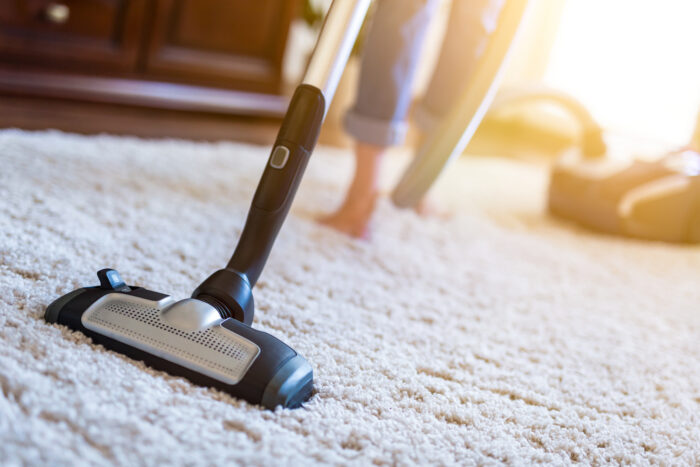
Quick answer: To get your security deposit back, blot (never rub) fresh carpet stains with cold water and a small amount of dish soap within the first 10 minutes, treat set-in stains with a hydrogen-peroxide-and-baking-soda paste, and schedule a professional move-out carpet cleaning within 72 hours of your final walkthrough. Landlords in 2026 legally can — and routinely do — deduct $150–$450 from your deposit for dirty carpets, so a $120–$250 pro cleaning almost always pays for itself.
Why Do Landlords Keep Security Deposits Over Carpet Stains?
Carpet damage is the #1 reason U.S. renters lose part of their deposit. According to a 2024 TransUnion SmartMove report, cleaning and carpet-related deductions account for roughly 46% of all itemized deposit charges, averaging $267 per lease. Under normal wear-and-tear rules, faded fibers are the landlord’s cost — but visible stains, pet odor, and burns are almost always the tenant’s.
How Much of a Security Deposit Do Tenants Typically Lose in 2026?
The average U.S. security deposit is now about $1,400 (Zillow Rentals, 2025), and a Rent.com survey found 26% of renters lose at least part of their deposit. Carpet cleaning, repairs, and full replacement together account for the largest single category of deductions — often $200 to $900 per unit depending on square footage and carpet age.
What Counts as “Normal Wear and Tear” vs. Damage?
Normal wear and tear includes matted traffic paths, minor fading from sunlight, and small compressions from furniture. Damage — which a landlord can charge you for — includes pet stains, red-wine or coffee spills, bleach spots, cigarette burns, and pet odor. HUD guidance (updated 2023) uses a seven-year carpet lifespan; if the carpet was already five years old, you can only be charged for the two remaining years of value.
How Do You Remove Fresh Beverage Stains from Carpet?
Act within 10 minutes. Blot (never rub) with a clean white cloth to lift the liquid, then mix one teaspoon of clear dish soap into two cups of cold water. Dab the solution onto the stain, blot dry, and repeat. For coffee, wine, or juice, finish with a spritz of white vinegar and cold water to neutralize the tannins.
Red Wine
Cover the wet stain with table salt to absorb pigment, wait 3 minutes, vacuum, then apply a 1:2 mix of hydrogen peroxide and dish soap. Blot and rinse.
Coffee and Tea
Blot, then treat with equal parts white vinegar, water, and a drop of dish soap. Rinse with cold water and blot dry with a towel weighted down overnight.
Fruit Juice and Soda
Cold water and dish soap remove most sugar-based stains. For stubborn color, finish with the peroxide/soap mixture used for wine.
How Do You Get Dirt and Mud Out of Carpet?
Let mud dry completely — wet mud spreads. Vacuum the dried crust, then scrub the remaining shadow with warm water and a teaspoon of laundry detergent using a soft brush. Blot dry. For daily prevention, vacuum high-traffic areas twice a week; a 2025 Carpet and Rug Institute study found weekly vacuuming extends carpet life by up to 50%.
How Do You Remove Blood, Ink, and Other Spreading Stains?
Always use cold water on protein stains like blood — heat sets them permanently. Mix one tablespoon of ammonia with a cup of cold water and blot. For ballpoint or gel ink, dab with 99% isopropyl alcohol on a white cloth, working from the outside of the stain inward to prevent spreading. Rinse with cold water and blot dry.
How Do You Get Pet Urine and Odor Out of Carpet?
Blot up as much liquid as possible, then saturate the area with an enzyme-based cleaner such as Nature’s Miracle or Rocco & Roxie. Enzymes are the only chemistry that breaks down uric acid crystals — vinegar and baking soda mask odor but don’t remove it. Cover with a damp towel for 24 hours, then blot dry. Persistent odor usually means the pad is contaminated and needs professional extraction.
Can You Remove Set-In or Old Carpet Stains?
Yes, in most cases. Make a paste of 3 tablespoons baking soda and 1 tablespoon hydrogen peroxide, apply to the old stain, cover with plastic wrap, and let it sit for 8–12 hours. Vacuum the residue and blot with cold water. Test on a hidden corner first — peroxide can lighten dark carpets.
Should You Rent a Carpet Cleaner or Hire a Pro Before Moving Out?
Rental machines from Home Depot or grocery stores cost $40–$60 per day but leave carpets wetter, extract less soil, and rarely satisfy a landlord’s checklist. A professional truck-mounted hot-water extraction runs $120–$250 for an average apartment, dries in 4–6 hours, and produces a receipt many landlords accept as proof of a “professionally cleaned” condition — often required in the lease.
How Much Does Professional Move-Out Carpet Cleaning Cost in 2026?
Nationally, expect $0.25–$0.50 per square foot, or roughly $120 for a one-bedroom, $180 for a two-bedroom, and $250–$350 for a three-bedroom. In the Phoenix/Scottsdale metro, 360 Precision Cleaning bundles carpet extraction with a full move-out clean, which typically returns the entire deposit — a strong ROI on a $150–$300 investment.
What Should Renters Do 48 Hours Before the Final Walkthrough?
- Photograph every room in daylight, including close-ups of carpet corners.
- Vacuum every inch — under furniture, along baseboards, inside closets.
- Spot-treat any remaining stains with the methods above.
- Schedule (or DIY) a full carpet extraction 24–48 hours before handover so fibers dry fully.
- Keep the cleaning receipt — attach a copy to your move-out email to the landlord.
Key Takeaways
- Carpet-related deductions are the #1 reason U.S. renters lose their deposit.
- Blot, don’t rub; use cold water on protein stains and enzyme cleaners on pet urine.
- A $150 professional cleaning routinely saves $250–$900 in withheld deposit.
- Photo evidence + a dated cleaning receipt is the single strongest defense in a dispute.
Frequently Asked Questions
Can a landlord charge me for professional carpet cleaning if I clean it myself?
Only if the lease specifically requires professional cleaning and the language is enforceable in your state. In Arizona, California, and most states, landlords cannot deduct for “routine” professional cleaning unless the carpet is left dirtier than move-in condition.
How long do I have to dispute a deposit deduction?
Most states give tenants 14–30 days after receiving the itemized statement to dispute charges in writing. Arizona allows 60 days total for landlords to return the deposit, and small-claims court is the standard remedy.
Does vinegar and baking soda really clean carpet?
It works for mild odors and light stains but does not remove pet-urine crystals, old wine, or ground-in dirt. Use enzyme cleaners for pets and oxygen-based (peroxide) treatments for set-in color stains.
How soon should I clean a spill to prevent staining?
Within 10 minutes for liquid spills and immediately for anything containing pigment (wine, coffee, juice, pet accidents). After 24 hours, most stains become “set” and require chemical treatment.
Will steam cleaning remove all carpet stains?
Truck-mounted steam extraction removes about 90–95% of common stains, according to the IICRC. Bleach spots, old rust, and permanent dye stains generally require patching or replacement, not cleaning.
Get Your Deposit Back — Schedule a Move-Out Cleaning
360 Precision Cleaning offers full move-out packages across the Phoenix and Scottsdale metro, including truck-mounted carpet extraction, tile and grout, and a landlord-ready receipt. Request a free move-out estimate and keep every dollar of your deposit.