
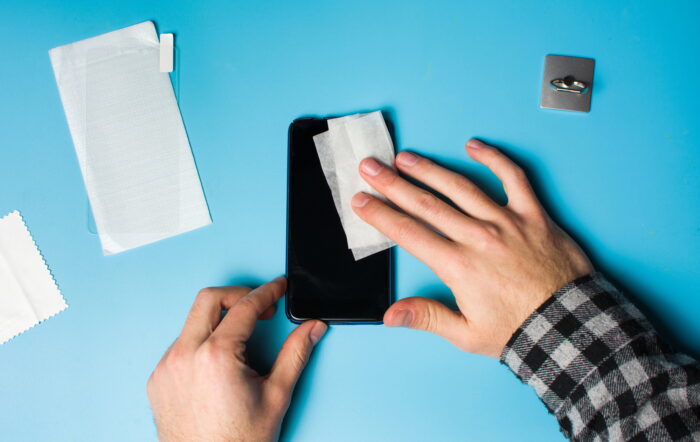
Think your smartphone is sparkling? It might look clean, but it’s likely harboring a surprising amount of germs and bacteria. As of 2026, our smartphones are more intertwined with our daily lives than ever, making regular cleaning not just a good habit, but a critical health practice. This updated guide will show you how to effectively clean and sanitize your smartphone, protect your health, and maintain its appearance.
Why is smartphone hygiene crucial in 2026?
Your smartphone is a constant companion, traveling with you everywhere from the grocery store to the bathroom. This ubiquitous usage exposes it to countless microorganisms. According to a 2023 study published in Germs journal, the average smartphone screen can carry ten times more bacteria than a public toilet seat. Prioritizing smartphone hygiene is essential to prevent the spread of harmful bacteria, viruses, and to safeguard your personal health in an increasingly connected world.
What supplies do you need to effectively clean your smartphone?
To ensure a thorough and safe cleaning of your smartphone, gather the following essential materials: two or three soft, lint-free microfiber cloths, cotton swabs or Q-tips, and either 70% isopropyl alcohol solution or alcohol-based disinfecting wipes. Always avoid abrasive materials or household cleaners not specified for electronics.
- Microfiber cloths (2-3): Essential for gently wiping surfaces without scratching or leaving lint.
- Cotton swabs/Q-tips: Perfect for reaching tight spots like speaker grilles, charging ports, and button crevices.
- 70% Isopropyl Alcohol (IPA) solution or alcohol-based disinfecting wipes: These are generally safe for most modern smartphone screens and bodies, provided they are used sparingly and correctly. Apple, for instance, recommends 70% isopropyl alcohol wipes for cleaning its devices. Avoid solutions stronger than 70% as they can damage oleophobic coatings.
- Optional: UV-C Phone Sanitizer: For an extra layer of disinfection, consider a UV-C phone sanitizer that uses ultraviolet light to kill germs without liquids.
What is the proper method for disinfecting your smartphone?
Follow these steps for a safe and effective disinfection process: First, power off and unplug your phone, removing any cases. Gently wipe the entire device with a lightly dampened 70% IPA wipe. Use a cotton swab for crevices, then dry with a clean microfiber cloth. Allow the phone to air dry completely before reassembling.
- Power Down and Disassemble: Always unplug, power off your smartphone, and remove any cases or covers. If your phone has a removable battery (less common in 2026 models but still applicable for some older devices), take it out.
- Wipe Down Surfaces: Lightly dampen one microfiber cloth with 70% isopropyl alcohol, or use a pre-moistened disinfecting wipe (ensure it’s not dripping wet by squeezing out excess liquid). Gently wipe down all surfaces of your phone, including the screen, back, and sides.
- Clean Crevices and Ports: Use a cotton swab, lightly dampened with 70% IPA, to carefully clean around buttons, speaker grilles, and charging ports. Be extremely cautious not to allow liquid to seep into any openings.
- Buff Dry: With a second, dry microfiber cloth, gently wipe down the phone to remove any residual moisture or streaks.
- Air Dry: Allow the device to air dry completely for several minutes before turning it back on or placing it in its case. This ensures no moisture remains in sensitive areas.
How should you clean your smartphone’s protective case?
Your phone case can harbor just as many germs as your device. For most standard cases (silicone, plastic), clean them regularly with warm, soapy water or a disinfecting wipe. Ensure cases are thoroughly dry before replacing them on your sanitized phone, especially for electronic charging cases which require adherence to manufacturer guidelines to prevent damage.
Why is daily smartphone cleaning vital for your health?
Regular smartphone cleaning is vital because these devices are high-touch surfaces that accumulate infectious agents. Studies show smartphones can carry flu viruses for days and contribute to various skin conditions. Daily sanitization significantly reduces your exposure to pathogens like E. coli, MRSA, and influenza, promoting overall personal health and hygiene.
Can an unclean smartphone impact your overall health?
Yes, an unclean smartphone can significantly impact your health. Research indicates that smartphones act as fomites, capable of carrying and transmitting various pathogens, including bacteria like Escherichia coli (E. coli) and Staphylococcus aureus (MRSA), and viruses such as influenza. Regularly touching your phone and then your face can transfer these germs, increasing your risk of illness. A 2024 report by the Journal of Hospital Infection highlighted mobile phones as a potential vector for healthcare-associated infections.
Does using your phone cause acne or skin irritation?
Yes, using an uncleaned phone can contribute to acne, a phenomenon sometimes called “tech acne” or “phone acne.” When you hold your phone against your face during calls, bacteria, dirt, and oils from the screen transfer directly to your skin. The heat and pressure from the device can also create an ideal environment for bacteria to flourish and pores to become clogged, leading to breakouts, particularly around the jawline and cheeks.
How does cleaning improve your smartphone’s longevity and appearance?
Regularly cleaning your smartphone not only enhances hygiene but also significantly extends its lifespan and maintains its aesthetic appeal. Removing accumulated grease and grime can prevent operational issues like sticky buttons or muffled speakers, while a clean screen ensures optimal visibility and touchscreen responsiveness. This routine care helps preserve your device’s “like-new” look, preventing premature wear and tear.
Why is a clean screen important for smartphone usability?
A clean screen is crucial for optimal smartphone usability because accumulated oils and smudges from daily interaction can significantly impair visibility and touch responsiveness. Regular cleaning ensures the display remains clear, making text and images sharp, especially in bright light, and allows for precise and effortless navigation of your device’s interface.
Does regular cleaning help maintain your phone’s appearance?
Absolutely. Regular and proper cleaning preserves your smartphone’s aesthetic by removing daily grime, fingerprints, and cosmetic residues. This prevents environmental buildup that can dull finishes, degrade screen coatings, and accumulate in crevices, ultimately keeping your device looking newer for longer and slowing down inevitable wear and tear.
Ready to Elevate Your Smartphone Hygiene in 2026?
Maintaining a clean smartphone is a straightforward yet impactful habit that significantly benefits your health and extends the life of your device. By incorporating these simple, safe cleaning practices into your daily routine, you can confidently reduce germ exposure and ensure your essential tech companion always looks and functions its best. Don’t wait—begin your journey to superior smartphone hygiene today!
Frequently Asked Questions About Smartphone Cleaning
How often should you clean your smartphone?
For optimal hygiene, you should clean your smartphone screen daily and perform a more thorough disinfection of the entire device several times a week, or whenever it has been exposed to high-germ environments.
Can I use glass cleaner or window cleaner to clean my phone?
No, you should avoid using glass cleaner, window cleaner, or harsh household cleaning products on your smartphone. These products often contain ammonia or other chemicals that can strip away the oleophobic (oil-repellent) coating on your screen, potentially damaging it and making it more susceptible to smudges and scratches.
Is it safe to use alcohol on my phone screen?
Yes, 70% isopropyl alcohol (IPA) is generally safe for cleaning most modern smartphone screens. Many manufacturers, including Apple, recommend wipes containing 70% IPA. Avoid concentrations higher than 70% and never submerge your phone in alcohol.
What is the dirtiest part of a smartphone?
According to multiple studies, the screen and buttons are typically the dirtiest parts of a smartphone, as they are most frequently touched. These areas accumulate a high concentration of bacteria, skin oils, and other microorganisms.
Looking for help with this in the Valley? 360 Precision Cleaning offers home cleaning services in Phoenix.